

Cat Litter Deodorizer Not Working? Here’s What Actually Fixes the Smell
By Emily CarterYou clean the litter box.
You add a deodorizer.
Maybe you even buy the “extra strength” one.
And somehow… the smell still comes back a few hours later.
If this sounds familiar, you’re not alone. A lot of cat owners think the problem is the deodorizer itself — but most of the time, the real issue is what’s happening underneath the litter.
That’s why the odor keeps returning no matter how much powder, spray, or scented litter you use.
Here’s what actually works.
⚡ Quick Answer
A litter box deodorizer only works if the litter box itself is properly maintained. Most lingering odors come from trapped urine, dirty litter buildup, poor airflow, or using too much scented deodorizer instead of removing the odor source.
The best approach is:
- Scoop daily
- Use unscented clumping litter
- Deep clean the box weekly
- Add a light deodorizer layer
- Use enzyme cleaning around the litter area
This combination removes odor instead of masking it.
🦠 What Causes Litter Box Smell in the First Place?
A deodorizer can help reduce odor temporarily — but it can’t fix a dirty litter system.
The smell usually comes from:
- Urine is soaking into the bottom of the box
- Old litter trapped in corners
- Moisture buildup
- Dirty litter mats
- Poor ventilation
- Multiple cats sharing one box
- Plastic boxes absorb odor over time
This is where most guides fail.
They focus only on covering the smell instead of eliminating the source.
If you want to understand how litter box odor, cleaning routines, litter choices, and long-term odor prevention all work together, explore our complete guide to litter box odor control.
If your home still smells even after scooping, you may also want to read:
These problems are often connected.
🔄 Why the Problem Keeps Happening
Most people accidentally create an odor cycle without realizing it.
Here’s how it usually happens:
You notice a smell → add more deodorizer → scent mixes with ammonia → litter gets overloaded → odor becomes stronger.

The problem usually gets worse because the deodorizer is being used like a cover-up instead of part of a full cleaning routine.
And some heavily scented deodorizers can actually make the smell feel harsher inside small apartments or enclosed rooms.
❓ Can too much litter deodorizer make the smell worse?
Yes. Too much deodorizer can mix with ammonia and create a stronger odor. It can also overwhelm sensitive cats and cause litter avoidance.
✅Step-by-Step: What Actually Works
1. Scoop More Often Than You Think
The biggest difference usually comes from frequency.
Once a day is the minimum.
For strong odor problems:
- Scoop morning and night
- Remove clumps completely
- Check corners where wet litter sticks
Even the best deodorizer won’t help if waste stays inside too long.
2. Stop Using Cheap Thin Litter
Low-quality litter breaks down quickly and traps urine beneath it.
That creates hidden odor pockets.
A strong clumping litter helps:
- lock moisture faster
- reduce ammonia smell
- keep the deodorizer effective longer
This is especially important in multi-cat homes.
3. Wash the Entire Box Weekly
Many people only add fresh litter.
But the box itself is often the real smell source.
Use:
- warm water
- mild soap
- enzyme cleaner for stubborn odor
Avoid bleach or strong chemicals.
Plastic litter boxes absorb odor over time, especially scratched ones.
If your box smells even when empty, it may be time to replace it.
❓ How often should you deep clean a litter box?
Most homes should deep-clean the litter box once a week. Multi-cat homes may need cleaning every 3–4 days to prevent odor buildup.
4. Use Deodorizer the Right Way
Most cat owners use far too much.
You only need:
- a thin layer at the bottom
- or a light sprinkle after scooping
That’s it.
A good deodorizer should support odor control — not overpower the room with fragrance.
Unscented or lightly scented options usually work best.
5. Clean Around the Litter Box Too
Sometimes the smell isn’t coming from the litter itself.
Check:
- litter mats
- nearby walls
- floors
- baseboards
- hidden urine spray areas
This is especially common with male cats or older cats.
An enzyme cleaner works best here because it breaks down odor particles instead of masking them.
You may also like:
⚠️ Common Mistakes That Make Odor Worse
Here’s what causes the biggest odor problems:
| Mistake | Why It Causes Smell |
|---|---|
| Adding too much deodorizer | Mixes with ammonia odor |
| Using scented litter + deodorizer together | Creates heavy chemical smell |
| Not washing the box | Odor absorbs into plastic |
| Using too little litter | Urine reaches bottom quickly |
| Keeping box in closed space | Poor airflow traps odor |
| Waiting too long to scoop | Ammonia builds fast |
🏡 Best Litter Box Setup for Odor Control
If you want the cleanest-smelling setup possible, this routine works extremely well:
For a more detailed breakdown of choosing the right box, litter, placement, and daily routine, see our best litter box setup for odor control.
Best Routine
- Stainless steel litter box
- High-quality clumping litter
- Light deodorizer layer
- Daily scooping
- Weekly deep clean
- Enzyme spray around litter zone
- Open airflow nearby
This setup reduces odor dramatically without needing strong perfumes or sprays.
❓ Are stainless steel litter boxes better for odor?
Yes. Stainless steel litter boxes absorb far less odor than plastic and are easier to deep clean over time.
👉 Some homes need more than basic scooping — especially small apartments or multi-cat spaces.
A simple odor-control setup can help keep the area fresher longer without overwhelming fragrance.
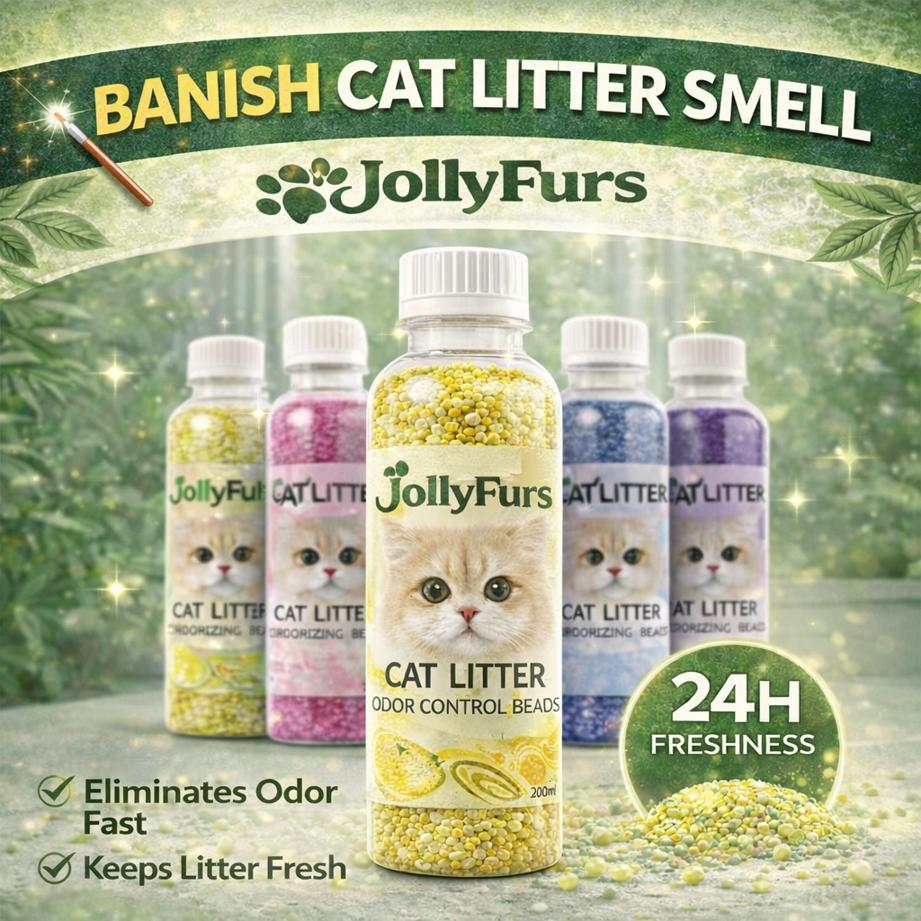 Best Seller
Cat Litter Odor Control Beads
Helps reduce strong litter box odor and keeps the area smelling fresher longer.
Explore Solution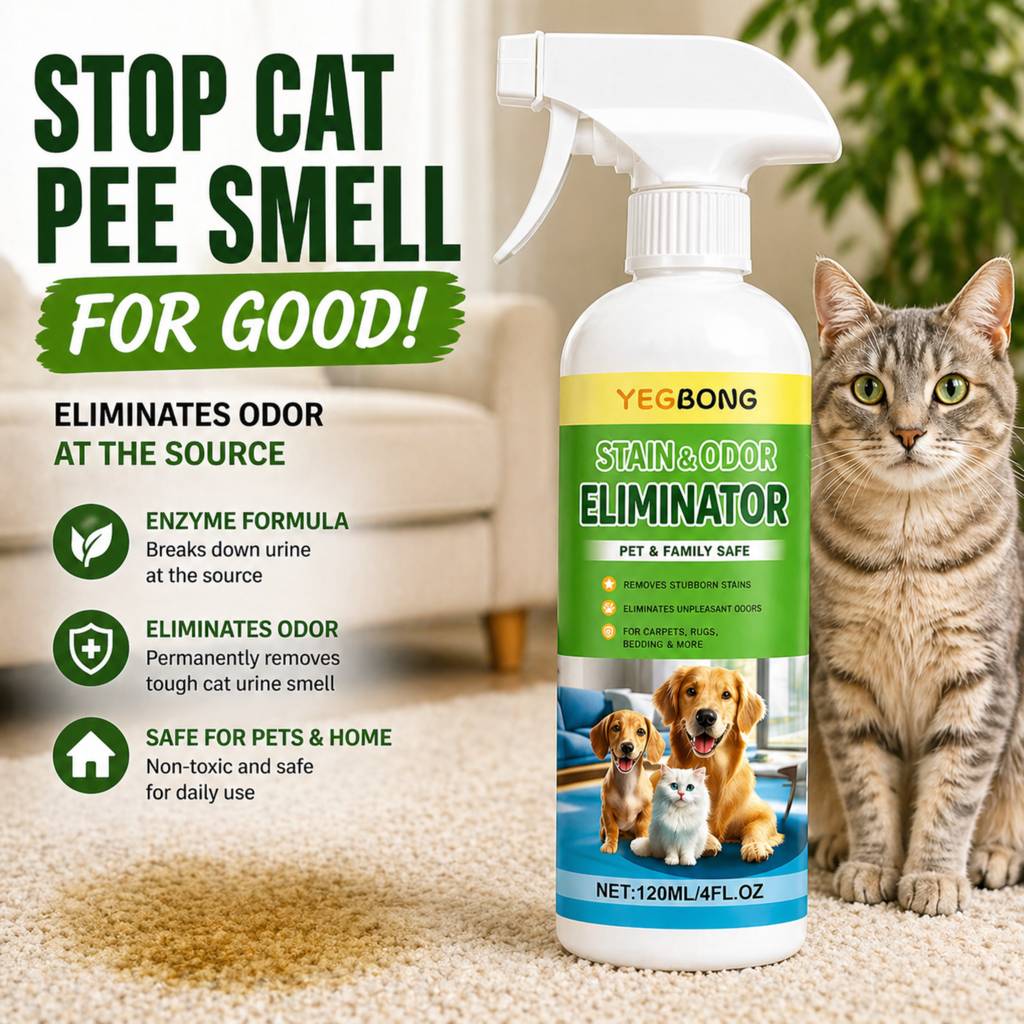 Deep Cleaning
Cat Urine Enzyme Cleaner Spray
Breaks down stubborn urine odor on floors, carpets, litter mats, and hidden spray areas.
Remove Deep Odor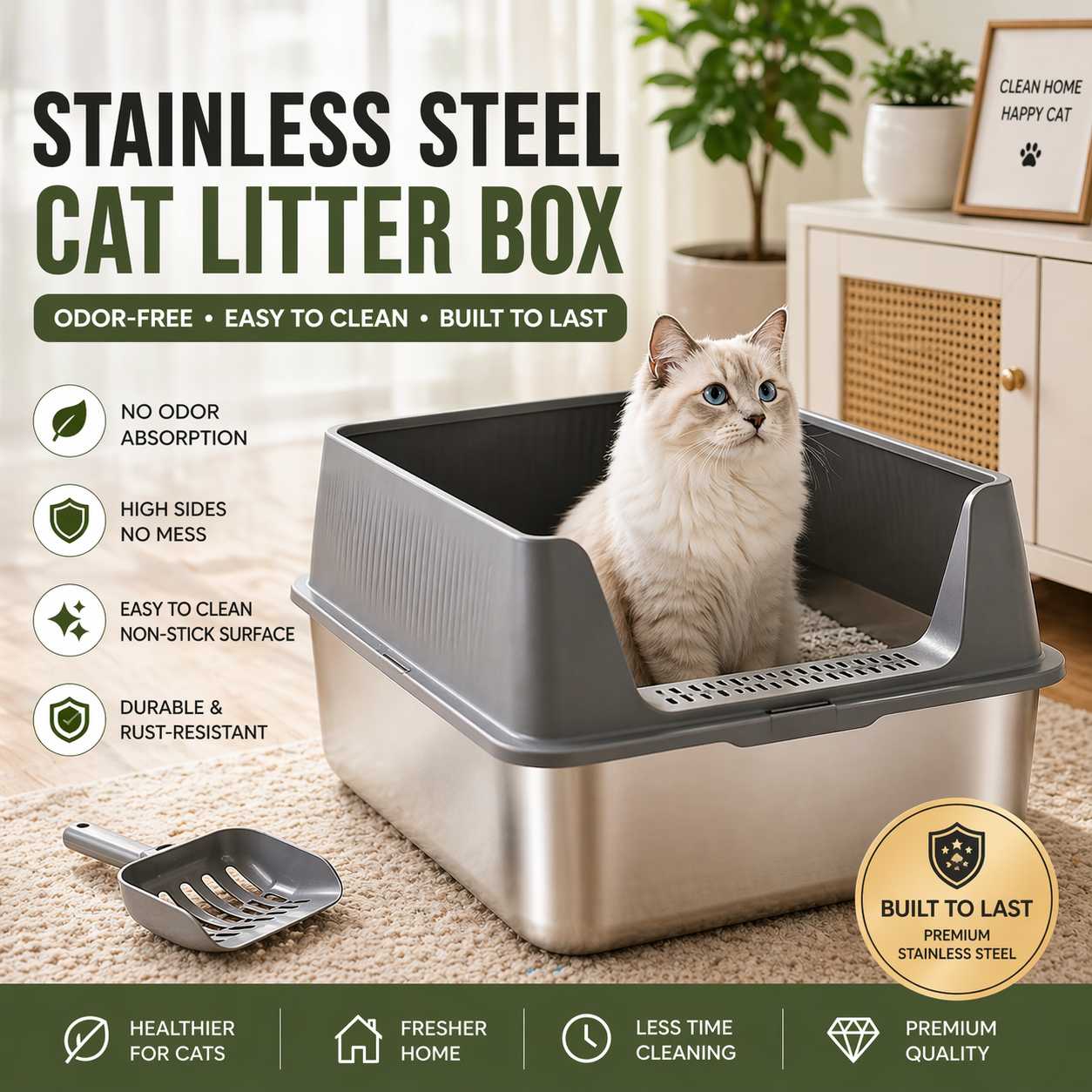 Odor Resistant
Stainless Steel Cat Litter Box
Doesn’t absorb odor like plastic and helps keep your litter setup cleaner over time.
Upgrade Your SetupThe good news?
Once you stop masking the odor and start fixing the source, keeping your home fresh becomes much easier — even with multiple cats.
📊 Comparison Table
| Solution | Helps Temporarily | Long-Term Odor Control | Best For |
|---|---|---|---|
| Heavy scented deodorizer | ✔ | ✖ | Short-term masking |
| Daily scooping | ✔✔ | ✔✔ | Every cat owner |
| Enzyme cleaner | ✔✔ | ✔✔ | Hidden odor removal |
| Stainless steel litter box | ✔ | ✔✔ | Persistent odor problems |
| High-quality clumping litter | ✔✔ | ✔✔ | Multi-cat homes |
| Weekly deep cleaning | ✔✔ | ✔✔✔ | Preventing odor buildup |
🎯 Final Insight
A fresh-smelling home doesn’t come from covering odors with stronger scents.
It comes from building the right litter routine.
Small changes — like better litter, proper cleaning, and smarter odor control — can make a huge difference for both you and your cat.
👉 Still struggling with stubborn cat odor? These guides cover the most common litter box smell problems and how to fix them.
❓ FAQ
Q: What is the best litter box deodorizer?
The best litter box deodorizer helps neutralize odor without overwhelming fragrance. Unscented or lightly scented options usually work best when combined with regular scooping and deep cleaning.
Q: Why does my litter box still smell after cleaning?
Odor often stays trapped inside old litter residue, plastic surfaces, or nearby flooring. Deep cleaning and enzyme treatment usually help more than adding extra deodorizer.
Q: Is baking soda safe in litter boxes?
Small amounts of baking soda are generally safe for most cats and can help absorb odor naturally. Avoid using excessive amounts.
Q: How do you keep a litter box area smelling fresh?
Daily scooping, airflow, quality litter, weekly cleaning, and enzyme cleaning around the litter zone are the most effective long-term solutions.
Q: Why does litter smell worse in small apartments?
Small apartments trap odor faster because of reduced airflow and concentrated indoor air circulation.
Q: Can cats dislike strong litter deodorizer smells?
Yes. Some cats are sensitive to strong fragrance and may avoid the litter box completely if the scent becomes overwhelming.
Q: When should you replace a litter box?
Plastic litter boxes should usually be replaced every 1–2 years, especially if scratches or odor absorption become noticeable.

Cat Care Specialist at JollyFurs. Helping cat owners solve litter box problems, odor control, and cat behavior issues using practical, research-backed methods.